A trauma-informed approach is underpinned by relationship. Through relationship we can help a child or young person to understand and support them in managing their feelings appropriately. The key elements for successful relationship are: Protect Relate, Regulate and Reflect which altogether build a person’s resilience.
At Chaigeley School, we seek to provide a calm and secure learning environment by promoting a culture which provides relational support for personal development to reflect our insight and understanding of the complex needs of our pupils and how this contributes to their ability to self-regulate and build resilience to manage their behaviour in a positive manner so they can be ready to engage with their learning.
We are committed to ensuring that our school develops a Trauma and Mental Health Informed Approach and support our students to develop positive mental health and resilience, enabling them to fully engage in life and learning. There is a growing body of research and understanding of the impact of Childhood Adversity on long term mental and physical health. It is our aim to maximise the protective factors of school by creating an environment of safety that provides strong, positive supportive relationships.
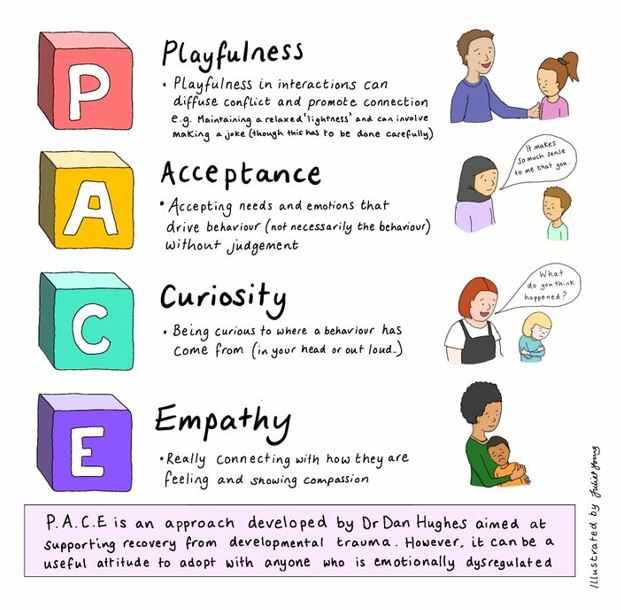
All adults in our school are aware of how to create an ethos and environment of both physical and psychological safety and have the skills to respond to those who have been impacted by traumatic stress using PACE language. We fully understand and support the impact that connection with a trusted, emotionally available adult has on a child and seek to maximise this for all children across school.
As part of the trauma informed approach, the school uses the Motional programme to develop the pupils emotional health and wellbeing, using tailor made activities in both group and individual settings. For more information, please see the Motional Page.
The school has undertaken extensive whole school training, provided by Trauma Informed Schools UK so that every adult has the skills and understanding to respond appropriately to the relational needs our children may display. Our Co regulation and relationship policy reflect a trauma informed approach and our rewards and sanctions are both developmentally and trauma- informed.
For further information, please visit Trauma Informed UK
The Leadership Skills Foundation is a prominent awarding organisation dedicated to the development of leadership skills in young people. They bring these essential skills to life through practically applied qualifications and accredited awards across the curriculum and beyond, empowering learners with the confidence to believe, the qualities to lead and the skills to succeed.
Therefore, as a trauma informed school, Chaigeley recognises the importance PE can play in the development of SEMH pupils and how a simple game can have a huge impact on the development or re-establishment of neural pathways to aid in the recovery process.
Using research linked to how best to implement a PE programme for such a diverse and complex set of individuals; PE at Chaigeley School will be structured around the development of the core skills used in PE and how these skills can be linked to everyday life.
These will be tracked and assessed through the Key Stages of school but will reflect each individual pupil’s pathway and how they can develop these skills as an individual utilising various qualifications offered by the Leadership Skills Foundation and the Sports Leadership programmes they offer.
PlayMaker Award
The PlayMaker Award helps learners develop leadership skills such as organisation, communication and teamwork. It will also build confidence and self-esteem as your learners take on the responsibility of assisting in leading their peers and younger children.
Anyone can become a PlayMaker, regardless of their leadership experience. The PlayMaker Award is designed in a way so that learners can participate, lead activities that interest them, and learn about essential leadership skills.
Young Leader Award
First step towards leadership skills.
The Young Leader Award offers learners the first stepping stone in leadership skill development. Learners gain experience of organising and leading small games and activities for their peers and are supported to start the development of the skills needed to take on greater responsibilities.
PE Life Skills Award
PE teaches valuable life skills such as resilience, collaboration, and independence – all of which can inspire and empower young people to excel in all areas of their lives. The PE Life Skills Award recognises and rewards learners as they develop these essential life skills through the PE curriculum.
Celebrate the development of life skills through PE
Developed in partnership with the Youth Sport Trust, the PE Life Skills highlights and celebrates the full range of achievements young people gain through PE, boosting engagement and nurturing a lifelong, positive relationship with physical activity.
Now in its fourth year, this award is designed to work across primary and secondary school stages. It is tailored to meet the developmental needs at each level, ensuring inclusivity for a wide range of abilities within the same class. This makes it particularly suitable for alternative provision settings, special schools, and hospital schools.
The resources for the award provide schools with a framework and the tools to support delivery to students and rewards learners with a certificate at the end of the award.
Rachel Guyer
I am Rachel, the Deputy Principal at Chaigeley. I have worked here since September 2023. I started my teaching life as a mainstream secondary science and psychology teacher, teaching GCSE’s and A- levels and moved into specialist teaching around 20 years ago. My last job was Head of the Alternative Provision Service in St Helens.
I really enjoy working with SEND pupils and staff – the relationships between us are so important, highly valued and help us all to learn. I love the challenge of thinking about how to make things better for individuals and supporting them as whole people – not just academically, but getting ready for a happy and fulfilling life.
It is a privilege to work at Chaigeley, with such a committed group of staff with a wide variety of talents. We have the opportunity to provide lots of different and new experiences for pupils – there might just be something they become passionate about that can enrich their lives. I was given the chance to learn to play the violin at primary school. Music has brought me so many friends and good experiences – I am still a keen amateur musician and play with the Liverpool Mozart Orchestra in my spare time.
Carl Morris
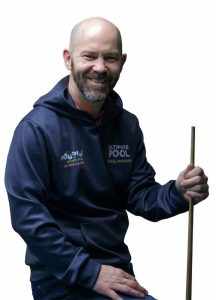
I joined the Chaigeley board because I believe that a child’s starting point should never define their destination. My own journey was shaped by profound deafness after contracting meningitis at age three. In 1983, an educational report predicted I would never read effectively or hold a skilled job; fifteen years later, I became the youngest-ever World 8-Ball Pool Champion.
My nickname, ‘Houdini,’ was earned through an uncanny ability to escape impossible situations on the pool table – a mindset I have applied to every challenge in my life, from trekking to the North Pole to running a successful property business. At Chaigeley, my role is to be actively involved with our pupils and teachers, using my lived experience to build emotional connections and show our children that they, too, can “soar with a broken wing”.
I am passionate about making learning tangible and fun. I look forward to working directly with the children through the game of pool, using its geometric, mathematical, and psychological layers to teach focus and resilience. By sharing my mantra of “Plan. Concentrate. Focus,” I hope to help our students navigate their own obstacles and realise their true, unlimited potential.
Gemma McCaig
I am a civil engineer and have been working in the construction industry for 15 years, primarily within design consultancies. I bring a practical, problem-solving approach and a strong belief in helping young people discover their own paths. As a school governor, I’m passionate about creating opportunities for pupils to explore their interests, challenge preconceived ideas, and find futures they can be excited about.
I live in the Warrington area and enjoy running and paddleboarding to help me stay active and connected to the outdoors.
Leonie Sourbutts
Hi, I’m Leonie, I have a son who is in year 9 at Chaigeley.
As a wife and as a Mum to two wonderful autistic sons, (and three cats!), my life is busy. As any parent (especially those who have fought for an EHCP for their child) will know, a parent’s life is full of challenges, hurdles and the need to do anything to advocate for your children. Having spent time in various schools over the years, from helping at my oldest son’s primary school onward, I have seen first-hand how getting it right at school can make all the difference to a child’s education and wellbeing.
I recently had a change of career, due to redundancy. I currently work as an Exam Invigilator during mocks and exams seasons, mainly, but not exclusively, working as reader and scribe with SEND children. I also temp as a SEND Teaching Assistant. Prior to changing my job role, I worked within the Telecoms industry, mainly within systems management, for over 25 years.
As Parent Governor, I hope to drive positive changes for our parents experience with school and I look forward to meeting you all and getting started on this new challenge with you.
Trauma and Child Development Glossary
Supporting parents, carers and staff in understanding key terms
Challenging behaviour is often a sign that a child is feeling distressed, scared, or overwhelmed—not just being defiant. It’s their way of showing they need help.
Aggression or outbursts – May show fear, frustration, or a need to feel in control.
Withdrawal or silence – Could mean the child feels anxious, ashamed, or shut down.
Co-Regulation
The process of an adult helping a child manage their emotions by staying calm and attuned. This may happen through play, talking, or just being with the child.
Fight–Flight–Freeze–Fawn (FFFF) Response
The body’s survival system, which trauma can keep on “high alert”:
• Fight – Aggression or defiance.
• Flight – Avoiding, running, or hiding.
• Freeze – Shutting down or going silent.
• Fawn – People-pleasing to avoid conflict.
Motional is an online tool used in schools to help understand and support children’s emotional wellbeing and mental health. It is based on research from Trauma-Informed Schools and Adverse Childhood Experiences (ACEs).
PACE – Playfulness, Acceptance, Curiosity, Empathy
An attitude and approach that helps adults build safe, trusting relationships with children who have experienced trauma. Developed by Dr. Dan Hughes, PACE supports emotional connection, regulation, and healing.
Playfulness – Using lightness and warmth in your voice and interactions to reduce tension and build connection.
Acceptance – Valuing the child without judgment, even when their behaviour is challenging.
Curiosity – Gently wondering about the child’s internal experience (e.g., “I wonder if you were feeling scared?”), rather than assuming or accusing.
Empathy – Feeling with the child and showing them they’re not alone in their emotions.
Team Around the Child – Emotionally Available Adult
A network of caring adults, with at least one consistently emotionally available adult, supporting the child’s emotional and developmental needs.
WINE – Wonder, Imagine, Notice, Empathy
A trauma-informed approach promoting curiosity and empathy to understand and support children’s feelings and behaviours.
Amy is an experienced Operations Director who enjoys finding smart, practical ways to help organisations run smoothly. She’s passionate about creating supportive environments where young people can thrive and brings a calm, strategic mindset to everything she does.
As a neurodivergent professional, Amy values diverse perspectives and inclusive approaches. Outside of work, she enjoys reading, gardening, gaming, and volunteering with a local cat rescue charity. As a Trustee, she’s all about making a positive difference and keeping things moving in the right direction.
Tim Askham
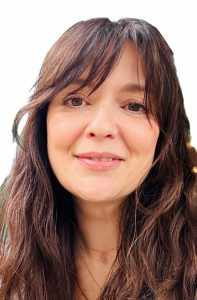
Tim has been a governor and Trustee since 2017 and is a semi-retired chartered accountant, previously with an international practice’s Manchester office.
Since retirement from that role, he has specialised since 2017 in working with charities; both as a volunteer trustee and as finance officer for several North West charities.
He lives locally in the Warrington area and is still an active participant in sports.
Iolen Strettle-Jones
I joined Chaigeley in 2017 as a supply TA after moving up to the area from Sunny Wales, thinking I would stay for a week and I loved it from the very first day.
In 2020 pre covid the job of Pastoral and Welfare officer was advertised and I thought how great it would be to actually get time to support the pupils outside of lesson times, and to build a great relationship between school and home. Moving on to Assistant SENCO and joining the SEN team has been a privilege.
My dream as a child was at first, a clown then later at secondary school a Forensic Scientist. I remember a teacher who taught me French, bringing in croissants, baguettes and French cheese to a lesson and I loved every minute of that lesson.
This leads to the present and my love of travelling, especially in Europe and for the future, my dream would be to own a house in France and run it as a holiday destination.
I run three or four times a week with the Liverpool Bugs. If the weather is good I go paddle boarding with my dog Teddy. I enjoy watching true crime documentaries and listening to podcasts. What I most enjoy about working at Chaigeley is that every day is different and the ability of each one of the many children to make me laugh. The great pride I have on exam results day is handing over certificates to pupils, who, when they first arrived, didn’t think they would even sit an exam!
Martin Oldfield
Jackie Carter
My name is Jackie and I have been a special needs teacher for 34 years until I retired. I loved my job and worked in both post 16 in school provision and an FE college. I worked the last 20 years of my working life in a school teaching mainly KS3 & KS4 pupils with severe learning difficulties and disabilities.
I can do both BSL and Makaton sign language. My main hobbies are crafting, cooking and gardening. I am married with two daughters and five grandchildren. I am very involved in the local community of Grappenhall and Thelwall and enjoy attending the craft group, church services and WI. I feel so lucky and privileged to be the Community Governor at Chaigeley School.
Hilary Brooks
East Cheshire Quakers nominated me to be a governor at Chaigeley in 2022. I have been a Quaker for forty years, and am pleased to represent the Society of Friends on the board of governors.
My career was in teaching, mainstream primary for twenty years and then a move into special needs teaching. Most of this time was on supply, in Greater Manchester, when I taught every aspect of special education, from moderate learning difficulties to profound and multiple learning disabilities. Much of this time was spent teaching autistic children, and I finished my teaching career at Grange school for autistic pupils in Manchester, retiring in 2006.
I have two sons, the older one with Asperger’s Syndrome, who is now in his 50s, living independently.
I am currently also chair of trustees for East Cheshire Quakers, and also a trustee for Stockport Community Counselling, a Christian run free counselling service.
Beloved Ogundipe
I am a trainee solicitor at an international law firm. Outside of work, I dedicate a significant amount of my time to my local church and various church organisations, committed to doing God’s work. My faith is the foundation of many aspects of my life, and serving at Chaigeley School, where the teachers’ passion for student development is evident, has been and continues to be a pleasure.
Chris Haines
My name is Chris Haines – I am retired, and worked in the chemical industry for 47 years. Latterly my job involved a lot of travel and stays in the US, China, Vietnam, Malaysia, Thailand, India, South Africa and Brazil.
I’m married with 3 adult children and 4 grandchildren, and have lived in Stockton Heath in Warrington for 40 years. My hobbies are playing the guitar, (I’m in a band that does occasional gigs), growing things on my allotment, and bike riding – I’ve done several long distance rides.
I am also a trustee at a not-for-profit nursery in Stockton Heath which I helped to set up.
Having been a governor at Chaigeley for over 25 years, I’ve seen the school steadily grow and improve – the calm competence and dedication of the staff has always impressed me, and the positive results achieved with the pupils.
Noel Conreen
I joined Chaigeley School in 2015 and have developed a passion for this sector of education. I am inspired by our dedicated, knowledgeable and caring staff team that regularly go above and beyond in order to help our pupils succeed. I am proud to work here and do everything I can to help drive the school forward to be at the forefront of specialist education. I regularly attend education conferences and meet with local authority officials and other school leaders to learn about and contribute to education practice and policy.
As Business & Finance Manager, I am responsible for ensuring the school makes the best possible use of the resources available. I am responsible for managing finances, human resources, administration, estates and all other non-teaching matters. I am committed to making this school a great place to work by continually reviewing and improving staff mental health and wellbeing.
I have qualifications in school business management, IOSH, Mental Health First Aid and Safeguarding. I am a deputy DSL and am part of the safeguarding team and a member of the senior leadership team. I am also the Company Secretary and work closely advising the governing body on governing matters.
Prior to working at the school, I have held senior positions within the insurance industry and retail. In my spare time I play pool for a local team and have represented my County and I play the piano when I can. I am also a football referee working with grassroots leagues locally.
Paul Lambert
Hi, I am Paul the Principal at Chaigeley and have been since September 2021, worked in SEND schools for the last 15 years and originally started as a PE teacher in Widnes back in 2001.
I have always enjoyed the extra challenge of working with SEN pupils and watching the amazing impact you can have on a young person’s life, when you believe in them and what they want to achieve.
I also enjoy watching staff developing amazing relationships that allow a child to be themselves and develop in confidence over time.
I have always enjoyed coaching and helping others develop into strong independent learners or leaders
I enjoy mountaineering, fishing, cycling and swimming. The outdoors makes me feel alive and I encourage all pupils at Chaigeley to learn and develop in the wild, as it can change lives in incredible ways and open the mind to all types of adventures.
William Howell
I am Will. I am proud to have been a Governor at Chaigeley for over 20 years, and to have served as chair for 5 years. I am now fully retired; my primary career has been as an IT professional starting in 1970, during the very early days of the IT revolution.
I live locally in Warrington and am still active in sports and all other aspects of looking after my wellbeing!
Musical Moment
A relaxed and unstructured musical exercise that allows the children to explore percussive instruments.
Step by step guide
1. Help the children to move into a circle. Encourage, help and enable children to sit together with sensitive adults placing a kind hand around a child that needs reassurance or a sense of containment. Be aware of those children who find touch difficult and help them to feel acknowledged, safe and understood.
2. The adult then reveals a special box in his / her lap and gently and with a calm, reassuring voice that also is interested and wondering out loud about what is inside, gently opens the box to reveal some musical instruments.
3. Notice the sounds the children make and ‘answer’ their responses by mirroring and modelling surprise, interest, excitement and a sense of anticipation.
4. The adult then shows some of the instruments and hands some of them out so the children begin to explore the sounds they make. It is important for the adult to acknowledge the children’s responses with lots of open, smiling, encouraging facial expressions and care to help the children to discover the sounds.
5. This activity can be totally exploratory and organic, allowing the children’s curiosity to explore and enjoy the sounds the instruments make, or the children can be encouraged to tap a pulse and to feel a heartbeat rhythm.
6. Notice the sensations and expressions the children make and again validate, notice, model and mirror their responses with an openness and reassurance, and a response that shows the children you are completely with them in the moment.
7. The children can then be encouraged to hear the pulse and then for other rhythms to be echoed over the pulse. Some of the children can be encouraged to hold the pulse while others mimic back a rhythm that the adult or one of the children presents.
8. This activity enables the adult and child to begin to make safe and reassuring eye contact and for the child to experience an adult who is completely emotionally available to them, caring about their response, responding sensitively and openly. It is important that the adults face is open, kind and compassionate to enable the child to feel safe and nurtured through this activity.
9. While the children are involved in the activity, the adult will need to notice and name the sensations and the experience for them, understanding that children may be unable to name and think about the experience and need the adult to name and give them the language to shape their experience.
Bubbles Inside Bubbles
A fun and light hearted group activity of blowing bubbles and learning how changing their breathing creates new types of bubbles.
Step by step guide
1. In preparation for the activity have the washing up bowls, washing up liquid and straws etc ready on the tables. It may be that you will need to do this activity in groups rather than with a large group depending on how many resources you have.
2. Ensure that there is a positive and safe atmosphere in the room amongst the students. It is beneficial to have a group charter that provides a sense of respect and collaboration within the group but also be aware of those students who may find being part of a group difficult and ensure that the students have a chance to step back
from some of the connecting activities that they may find too difficult to engage with initially.
3. The adult then shows them the bubble game – a bowl of water with washing up liquid inside it and encourages the students in pairs to have a go at blowing into the water with a straw. As the bubbles emerge and swarm, the adult models the fun and the laughter and matches the expression of the students as they blow the bubbles and see them emerging.
4. The adult shows fun in their facial expressions and matches the noises and exclamations that the students make, then naming the experience for them…. “wow… look! There are loads of bubbles!!” “Bubbling up and out of the bowl.” The adult models, matches and laughs whilst naming the sensation… “those bubbles are like when I’m nervous or when I’m excited in my stomach….” Bubbles of fun……..”
5. Encourage the students to see how many bubbles they can make together. Allow them to have a go… to just be in the moment with the activity and to be together in blowing the bubbles bigger and bigger as they begin to raise up and fill the bowl.
6. It is important to be completely alongside the students in holding the atmosphere as fun and open and explorative in a safe and calm way. The students can then just go with the activity enjoying the sensation, the flow of the bubbles and the safety of the activity.
7. Notice and express the student’s experience… e.g. “ooooooh the bubbles are rising and coming up out of the bowl…… eeeeek…..’ ‘ I can see you taking in big breaths as you blow…… ‘ I am noticing…..’
8. Watch and notice expressions on the faces of the students as they concentrate, or play or laugh….. and wonder out loud what their experience might be.
9. Encourage them to notice their breathing and to change it … what effect does that have on the bubbles and on their experience?
10. Then offer them the challenge of seeing if they can blow a bubble into a bubble….
11. Be alongside the students and share in their experience and the ‘just being’ in the moment of the fun of the bubbles.
Safe Place Shoe Box
Guided visualisation for sufferers of fear and anxiety, with an introduction to meditation and a creative task. A ‘Shoe Box Safe Place’ is designed and created by the student as a physical representation of a calming and safe place.
Step by step guide
1. Ensure that there is a calm and safe atmosphere in the room amongst the students. It is beneficial to have a group charter that provides a sense of respect and collaboration within the group. Also, be aware of those students who may find being part of a group difficult, ensuring that the students have a chance to step back from
some of the connecting activities that they may find too difficult to engage with initially.
2. Be very aware of the young people in your group and vigilant to know how they are feeling especially those that are more vulnerable.
3. Talk to the students gently about how we can sometimes have worries and fears and that these can be difficult feelings to hold on to.
4. Invite the students to take part in a guided visualisation, helping them to create a safe place within their minds eye. It may be that you will need to do this activity in small groups rather than with a whole class, depending on the needs and students within the group. You may like to share a guided visualisation from Meditation For Teenagers youtube video (click here).
5. Encourage the students to then create their own ‘shoe box -safe space’.
6. Their task is to design and create a shoe box that is a representation of a safe place for them. They can design it with colours, symbols, objects or textures. Allow them the chance to explore and use touch, smell and texture to create a representation that can remind them, or help them hold in mind, a safe and calm space for them. They can place objects in the box, create a backdrop or draw what a safe place to them might be, then use other art materials to enhance it.
7. Enable the students to share their creation if they would like to but emphasise that it is personal to them and doesn’t have to be shared. As the adult, be vigilant and notice, name and reflect about any sensations that come to you about what the experience has been like for the group. Enable them to hear and be able to acknowledge their thoughts about the experience.
8. This is about connecting and attuning with them also so that they feel understood, safe and free to be in the moment, in the sensations they are experiencing, and to have the adult able to wrap the language around the experience.
Friendship Hands
After an ice breaking game, the students make hand drawings in pairs, then write compliments about each other and decorate them.
Step by step guide
Connecting
Play the connecting game hedgehogs. The children move around the room to music. When the music stops the children curl up on the floor like hedgehogs and
close their eyes. Place a blanket over one of the children so that they are hidden and ask the children to then stand up and guess who is under the blanket. Then ask the children to share things they like about the child who is being the hedgehog. Repeat the game a few times.
Exploring
Help the children to get into pairs and invite one of the children to draw around their partner’s hand. On each finger ask the child to write a word to describe what they like about their partner e.g. kind, friendly, smiley, funny. Ask the children to swop over and then give them time to decorate their partner’s hand drawing.
Reflecting
Help the children to notice how it felt to be in partners and to draw around their partner’s/friend’s hand. What descriptive words did they come up with to describe their friend? How did it feel to hear the words your friend chose about you? Which is the word you liked best that most describes you? Share ideas and then end the session with a circle round….What I like best about my friend is……
Teenie Weenie
Sharing the story – ‘Teenie Weenie in a Too Big World’ with the children and opening up conversation about what scares them and their fears. After the discussion the children are encouraged to paint or draw what fear or worry looks like to them.
Step by step guide
1. Be very aware of the children in your group and vigilant to know how the children are feeling especially those children that are more vulnerable.
2. Share with the children about how sometimes we feel worried about things and can feel that feelings inside us can be too big to manage and introduce your friend Teenie Weenie and say how we are going to hear her story.
3. Read the story ‘Teenie Weenie in a Too Big World’ – by Margot Sunderland to the children and allow them to share their thoughts depending on the age range of the children and their ability to share thoughts, feelings and experiences. (Some of the children within a group may be able to share their experiences and thoughts and may
well have had experience that their fears have been contained and regulated and that language has been put to the experience, but not all children will have had this.)
4. Draw around one of the children on a big piece of paper laid out on the floor. See if any of the children can then come and show on the drawing where they can feel worried, scared or that the world is too big for them and name the feelings and sensations for them that they may be trying to say. Label the picture and write the words or sensations on the part of the body that the child is indicating as the place where the sensation comes from.
5. Give the children the chance to draw what scared or worried might look like to them. They could use paint, or pencils or crayons to draw what it might look like. Ask the children to show you through their drawings what it might look like.
6. It is important to notice what the children are showing through their pictures and begin to name any of the sensations or colours or expressions that they use. The adult is acknowledging, validating and naming what is being presented that the child may not have yet verbalised. “I can see……”, “I am noticing the colour….”.
7. Share the pictures if the children are happy for their pictures to be shown and name the colours, the sensations, the visual portrayal of sensation, feeling and atmosphere. Use the language to explicitly name the sensations and visual elements that the children are showing.
8. Display the pictures and label the sensations, feelings and the language that goes with the creativity.
Inside My Brain
A gentle and non threatening introduction to the brain function of ‘fight or flight’. An educational video explains what happens in the brain and body when we are fearful.
Step by step guide
1. Ensure that there is a calm and safe atmosphere in the room amongst the students. It is beneficial to have a group charter that provides a sense of respect and collaboration within the group. Also, be aware of those students who may find being part of a group difficult and ensure that the students have a chance to step back from some of the connecting activities that they may find too difficult to engage with initially.
2. Be very aware of the children in your group and vigilant to know how the children are feeling especially those children that are more vulnerable.
3. Sensitively talk with the students about fear and ask them to think about what happens in our bodies when we feel frightened or worried. It would be helpful to have an outline picture of a person on a flip chart and note down ideas, sensations or physical examples that the students may come up with. Talk to them about how it is
natural to feel fear and our bodies and brains are programmed to respond to it for our own survival.
4. Share with the students a picture of the brain and explain to them about how we have a fear system within our brain that causes us to react and to go into fight or flight mode.
5. Show the students a YouTube clip or film that explains how the fight flight, fear system works and what is happening in the brain and our bodies. One example that could be used is: What is fear? youtube video (click here)
6. Invite them to share any thoughts about the film or how fear is activated in our brains. Give them chance to think about the film and to ask questions to clarify their understanding.
7. The students may like the opportunity to share their work with others and to allow time for reflection or discussion. The facilitating adult needs to be vigilant, containing and aware of what the students are sharing, helping to put language to their expression, but also valuing and acknowledging their ideas.
Feather Faces
A gentle exercise introducing coloured feathers, experiencing and naming the sensations that the child feels when feathers are on their skin.
Step by step Guide
1. Help the children to move into a circle. Encourage, help and enable children to sit together with sensitive adults placing a kind hand around a child that needs reassurance or a sense of containment. Be aware of those children who find touch difficult and help them to feel acknowledged, safe and understood.
2. The adult then reveals a colourful small box in his / her lap and gently, with a calm and reassuring voice that also is interested and wondering out loud about what is inside, gently opens the box to reveal some colourful feathers. Notice the sounds the children make and ‘answer’ their responses by mirroring and modelling surprise,
interest, excitement and a sense of anticipation that feels safe and calm. The adult shows in their response that it is ok to wonder about what is inside the box, to stimulate and mirror the children’s responses so that they feel recognised and responded positively to.
3. The adult then shows the children some of the colourful feathers and begins to stroke one along his / her hand naming how it feels, the sensations and openly shows the delight or tickly feeling or sensation with an open and expressive face. “Oooooh it’s a tickly feel,”, “It feels silky…… I can sense a softness as it brushes over my hand.”
4. Invite the children to touch the feathers and to have a go at stroking them along their hand / arm by giving some of them out or inviting the children to choose a feather from the special box. Notice the sensations and expressions the children make and again validate and notice, model and mirror their responses with an open face, reassuring and a response that shows the children you are completely with them in the moment.
5. When the children have had a chance to feel the feathers on their skin, the adult can then model the sensation of the feather on their face and again name the sensation – the tickle of the feather, the softness, the prickly sensation of the feather.
6. The adult can then see if one of the children is willing to allow the adult to demonstrate imaginatively painting their face with one of the feathers. Gently and softly brush the feather around the face of the child around the eyes, the cheeks, the mouth. Watch and notice the reaction and name the sensation that the child seems to be showing.
“I can see how you are smiling when I brush your cheeks….” “ooooh I can see how that tickled you a bit too much as you pulled away but then you moved closer again for me to have another go.” “I’m wondering how that might be feeling soft on your face and silky…..”
Notice, name and reassure, showing the child all the time that you are there with them in that exact moment. (This activity enables the adult and child to begin to make safe and reassuring eye contact and for the child to experience an adult who is completely emotionally available to them, caring about their response, responding sensitively and openly. It is important that the adults face is open, kind and compassionate to enable the child to feel safe and nurtured through this activity.)
7. The children could then be encouraged to have a go in pairs to paint each other’s faces with the feathers. Be aware of the children that will find it hard to allow another to touch their face. Keep them safe with noticing this out loud and offering for them to feel the sensation themselves without being with another child. Some children might just want to have their hand or arm brushed instead of their face, and ensure that you enable this to happen so that the children feel safe and not in a situation which is uncomfortable for them. Some children may just want to watch or to brush the feathers on their own skin and again, make sure you notice this and help them to do this. Keep the children who need adult reassurance nearby and in mind as they explore the sensations of the feathers on their skin.
8. While the children are involved in the activity, the adult will need to notice and name the sensations and the experience for them, understanding that children may be unable to name and think about the experience and need the adult to name and give them the language to shape their experience.
Cup Football
A fun throwing and catching game that is an easy and non threatening way to get children to engage with each other.
Step by step guide
1. Be playful in your engagement with the child/ young person and introduce the activity as a challenge and as an opportunity for fun.
2. Build up the atmosphere/energy through your excitement, fun, delight. Be aware of your voice, your words and the noises of exclamation, excitement and anticipation that you use to engage and be present in the activity. Match and respond to the emotional response of the child/ young person, sometimes modelling, but
sometimes responding depending on where the child is at and your relationship with the child.
3. Start the game with each of you having a plastic cup/bowl and sit cross legged a small distance apart from each other.
4. Each player has five/ten buttons between their legs.
5. Take it in turns throwing in to each other’s cup.
6. Count the score at the end.
7. You can praise the child’s excellent throwing as you manage to catch the buttons, as well as their efforts in catching the buttons in their cup. This can be a really good fun ice breaker with children. It is a non-threatening way of gaining eye contact with the child as you are having fun, laughing and being silly.
8. Be in the moment with the child, recognize, attune and be responsive to changes in emotions (getting excited, happy, disappointed). Use yourself as an example, giving words for the child to borrow, eg:
1. ‘I can see you’re getting excited when you get a button in the cup, because your face lights up and your eyes widen, your nose wrinkles and your smile and laughter tell me.’ 2. ‘What does it feel like in your body?’ 3. ‘I felt a bit panicky then when I wasn’t scoring any goals, I could tell because my heart was racing, my tummy feels tight, I felt hot and my mind went a bit wobbly’.
9. As you gain eye contact do it with gentleness and don’t force or try to hold, be in the moment be you and let the child be themselves, enjoy. Variations Use cotton wool balls instead, this is fun and takes different control and throwing. Use bean bags and hoops, this can be done in a group with children in pairs. Ask the child to think of ways to change the game eg sit further apart, stand up, use one hand.
Bubbles of Delight
A light hearted and fun activity of which the children blow bubbles, describing how they are feeling and the experience.
Step by step guide
1. Help the children to move into a circle. Encourage, help and enable children to sit together with sensitive adults placing a kind hand around a child that needs reassurance or a sense of containment. Be aware of those children in the group who find touch difficult and help them to feel acknowledged, safe and understood.
2. The adult then shows the children the bubble game – a bowl of water with washing up liquid inside it and encourages one of the children to have a go at blowing into the water with a straw. As the bubbles emerge and swarm, the adult models the delight and matches the delight of the child blowing the bubbles and the other children who are watching the bubbles emerge. The adult shows delight in their facial expressions and matches the noises of delight that the children make, then naming the experience for the children…. “wow… look!
There are lots of bubbles!!” “Bubbling up and out of the bowl” “They are sparkly and magical”… the adult giggles and laughs and names the sensation… “those bubbles are in my tummy too…. Bubbling my happiness and excitement” “It feels tickly on my nose…”
3. Invite the children to have a go with a partner. Notice the sensations that the children might be feeling, naming the sensations and noticing out loud what it might be like so that the child can hear and feel the adult is alongside them and containing them through the activity but also modelling their delight and joy. It is important that the adults face is open, fun and involved in the adventure of discovery of what the bubbles can do and that this is named and noticed for the children
out loud.
4. As an extension of this activity, children can be encouraged to add food colouring to the bubbles or glitter to experiment with and to see what happens to the bubbles.
Veggie Go-Kart Challenge
A team work challenge using vegetables to create mini go-karts that can actually race. The children reflect on their team work skills and their ways of communicating to reach their goal.
Step by step guide
1. With the children sitting in a circle, encourage them to engage as a group by playing a circle game such as ‘fruit salad’ or on this occasion ‘ veggie salad’ where the children are given the name of a vegetable… e.g. carrot, pea, parsnip, courgette. Using the names of the four vegetables, label each child with a vegetable name and then randomly call out one of the vegetables. All of the children with that vegetable name then change places in the circle allowing the group to mix up and sit in a different place. Make sure that the group are supportive to each other and that the atmosphere within the group is fun and inclusive so that the children feel safe.
2. After the warm up game the adult then brings into the circle a box/ bag and pulls out a parsnip or a carrot. Encourage the children to wonder why might this activity involve a carrot or parsnip?!! Notice that the children look confused or intrigued…. Notice and name their facial expressions and wonder out loud about what might be going on in their minds right now….. “ I wondering if you might be ….. I can see by your smile that you might be amused……
3. Then hold up a poster invitation entitled ‘Veggie Go- Kart Race!’ This will set the scene for the children to work in groups to create a go- kart made from vegetables that they will be participate in a special race. Again notice, name and recognise thoughts that might be starting to go through the children’s minds….
4. Then set the task: The challenge: Each group is given three vegetables (potato, carrot, parsnip, some cocktail sticks, a wooden/ plastic chopping board, a stanley knife and a piece of string. The groups have ten minutes to work together in their group to design and make their own Veggie go-kart which they are to race once the go karts have been made. They can also be encouraged to make a character out of the vegetables that will be the driver and to fix it in place. The groups have to decide whether they will pull or push their go-karts along. The rule is that the go-kart has to move along the ground. At the end of the ten minutes the groups display their go- karts and are encouraged to think about which go-kart they think is :
most like a go-kart
can be pushed or pulled along
is the most creative design
5. The groups then clear a space in the room or move to the hall/playground to race their go-karts. (The adults will need to mark out a short distance, about 2metres for the go-karts to be raced in.)
6. When the race is over and the winning go-kart/group is evident, discuss with the children how they worked together as a team, how decisions were made and carried out. The adult at this point also needs to notice and name some of the thinking processes that the children seemed to be having. The adult has to be aware of bringing the language to the experience and helping the children to hear and then be able to acknowledge the sequence of their thoughts through the experience.
Balancing Fun
A fun activity learning to balance objects on their legs or other parts of their body. This is a great group game which is lead by the children. To calm the session, it finishes with a short visualisation and deep breathing.
Step by step guide
1. Be playful in your engagement with the child/ young person and Introduce the activity as a challenge to see what our bodies can balance (make sure this does not feel competitive, just play and fun).
2. Begin yourself by modelling or playing balance -e.g lie on your back with feet in the air and balance a bean bag or another small object on your feet……. Notice and encourage the child/ young person to join you. You might ask the child to help you add cushions until they topple over.
3. Build up the atmosphere/energy through noise/sound as the pile gets higher. Be aware of your voice, your words and the noises of exclamation, excitement and anticipation that you use to engage and be present in the activity. Match and respond to the emotional response of the child/ young person, sometimes modelling, but sometimes responding depending on where the child is at and your relationship with the child.
4. If the child is hesitant or anxious, start balancing small items in a more gentle way on hands, head, knees etc. Enable a dance and flow of movement, of encouragement, of fun and tickling the child into joining… show giggling, show anticipation and name and express the sensation, the expression and gently enable the child to flow into the dance of the game.
5. Be aware to allow the child the opportunity to lead the play. You may have initiated it but as soon as the child responds and joins, allow them to lead, to experience and your expression, exclamation, voice tone and energy matches and mirrors that of the child to validate, encourage and enable the child to really feel you alongside them and present in the play and the experience of the play.
6. You can extend this activity by trying to walk across the room balancing objects or trying to stand on one leg. Also, introducing safe touch by trying to balance the objects together. Be spontaneous.
7. Notice, watch and respond to the child/ young persons’ experience. Validate and smile, and match their fun in the game or in the play. Notice and name the sensations that the child may be feeling, have felt. E.g.“ I loved to see you laughing.” “ I could see you smiling as you balanced the cushions on your feet…” “It felt wobbly as the cushions wobbled and wiggled and fell….”
8. When it is time to close the play, help the child to know that the play needs to stop as this may be difficult for them to manage. Have a regulation activity ready for the end part of the session e.g. wrap up in a blanket and do a short visualisation, find a teddy to cuddle if this is a young child or deep breathing.
My Worry Monster
By sharing the book ‘The Worry Monster’ with the students, the concept of making a worry monster is imparted, followed by an opportunity for the child to make their own.
Step by step guide
1. Be very aware of the children in your group and vigilant to know how the children are feeling, especially those children that are more vulnerable.
2. Share with the children the book, ‘Worry Monster’ by Caroline Uff. Invite the children to share their thoughts or any experiences they would like to share, being aware that some children will not have the language or capacity to put language to their own experiences. It is important that the adults are able to show compassion and empathy matching the emotional tone of the child’s facial expression, body language and what they are describing. The child needs to feel held, validated and understood in what they are communicating.
3. Introduce a worry monster to the children and the concept that a worry monster can help by eating up worries. This can be a home made worry monster or a puppet of a bought one e.g.
4. Model for the children by using the puppet how you have a worry. E.g. losing your keys, or feeling left out of a game. Write the worry down on paper and talk to your worry monster wondering out loud if he can help you. The worry monster can answer, e.g. “Yum, yum, I can definitely help you… I would like to eat that worry so that you don’t have to carry it around with you anymore”. Then give the worry to your monster to eat.
5. Give the children the chance to create their own worry monster using creative art materials e.g. cardboard and paints, fabric or playdoh. Allow the children the chance to be creative using a range of materials and colours to create their worry monster.
6. It is important to notice what the children are showing through their art and begin to name any of the sensations or colours or expressions that they use. The adult is acknowledging, validating and naming what is being presented that the child may not have yet verbalised. “I can see……”, “I am noticing the colour….”, “I wonder…”.
7. Once the worry monsters are ready, give the children the chance to show them to each other if they are happy to.
8. They can then begin to use them. This needs to be done sensitively and the adults need to be alongside the children in drawing or writing their worries.

 Sports Leadership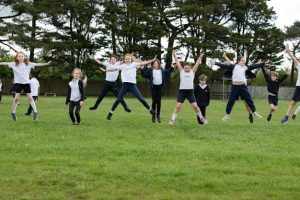

 Rachel Guyer
 Carl Morris
 Gemma McCaig
 Leonie Sourbutts

 Tim Askham
 Iolen Strettle-Jones

 Hilary Brooks
 Beloved Ogundipe
 Chris Haines
 Noel Conreen
 Paul Lambert