Food and Nutrition
Learning how to cook is a crucial life skill. It enables you feed yourself and others affordably and well, now and in later life. It develops skill, technique and creativity!
Intent
Food and Nutrition is a life-long learning skill and our intent echoes our school vision to “Prepare and empower our young people with all the skills they need to live independent lives, become valued members of the community and achieve their true potential”.
Our Food and Nutrition Subject Intent has been directly linked to our six Chaigeley School Values:
Independence:
Students learn to cook a wide variety of delicious, nutritious and well-presented dishes, rising to the challenge of following a Good Kitchen Routine and Food Safety.
Self-Regulation:
Students use the Zones of Regulation to help stay regulated and ready to learn, to produce dishes; thinking about who they are cooking for and why?
Honesty:
Students can give themselves and others honest feedback to grow, learn and improve their cooking skills.
Acceptance:
Students can accept information given by others and strive to improve and develop new Cooking Skills building on previous learning from past lessons.
Relationships:
Students can discuss and share with others knowledge about Ingredients, Seasonality and Food Sources, and take their cooking and recipes home.
Emotional Intelligence:
Students learn about the importance of Nutrition and Food Choice to create a balanced meal for themselves and others, demonstrating lifelong learning skills.
Implementation
All students study a broad Food and Nutrition Curriculum based on developing a wide range of Practical Cooking Skills and Food Knowledge, including:
-
Food Safety
-
Cooking
-
Food preparation and handling
-
Diet Food and Drink
-
Consumer Awareness
-
Food Origins, Food Choice and Food Labelling
This is taught through practical lessons with theory taught alongside the practical.
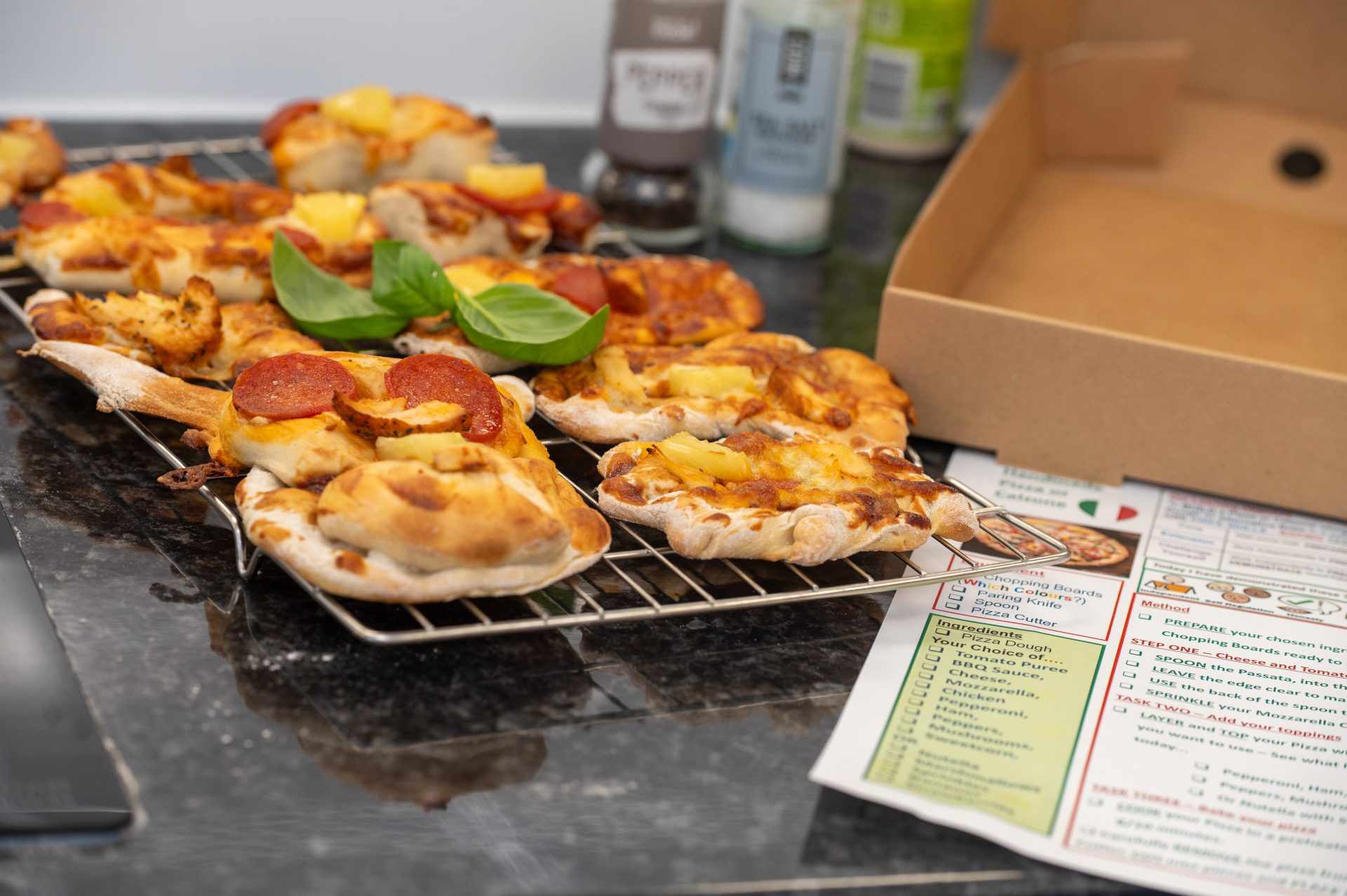
Students build skill and knowledge based on the National Core Competences.
KS2 and KS3 students have one double Food and Nutrition lesson per week. This lesson is a practical lesson with Learning Recaps and ‘Lock It In’ activities used for knowledge building, linked to the National Core Competences.
There are two Pathway Options for KS4:
Pathway One
Level 1/2 Hospitality and Catering students have 3 lessons per week. 1 single theory lesson and 1 double lesson as a practical.
Pathway Two
Entry Level 1 and 2 BTEC Home Cooking Skills students have 2 lessons per week taught as a double. Students focus on developing practical cooking skills, learning about the importance of nutrition and cooking for themselves and others well.
Students showing ability and interest have the opportunity to complete the Level 1 Home Cooking Skills qualification in Year 9 and Level 2 in Year 10 whilst studying towards their Hospitality & Catering Qualification.
Impact
Students will build cumulative knowledge of Core Competencies and Food Preparation Skills and Techniques from Year 3 to Year 11 through a structured and sequenced curriculum, building on prior knowledge from each year. The Skills and Knowledge gained will enable students to complete a BTEC in Hospitality and Catering (GCSE Equivalent) or Entry Level BTEC My Skills Level1/2 Home Cooking Qualification. This will enable students to move into a Catering Apprenticeship or a Further Education College Course.
There are many other non-qualification impact goals for this subject including:
-
Preparation for adult life
-
Cooking for themselves and others
-
It develops skill, technique and creativity
-
You will learn the importance of nutrition and healthy eating
-
You will learn about seasonality, food production and sustainability
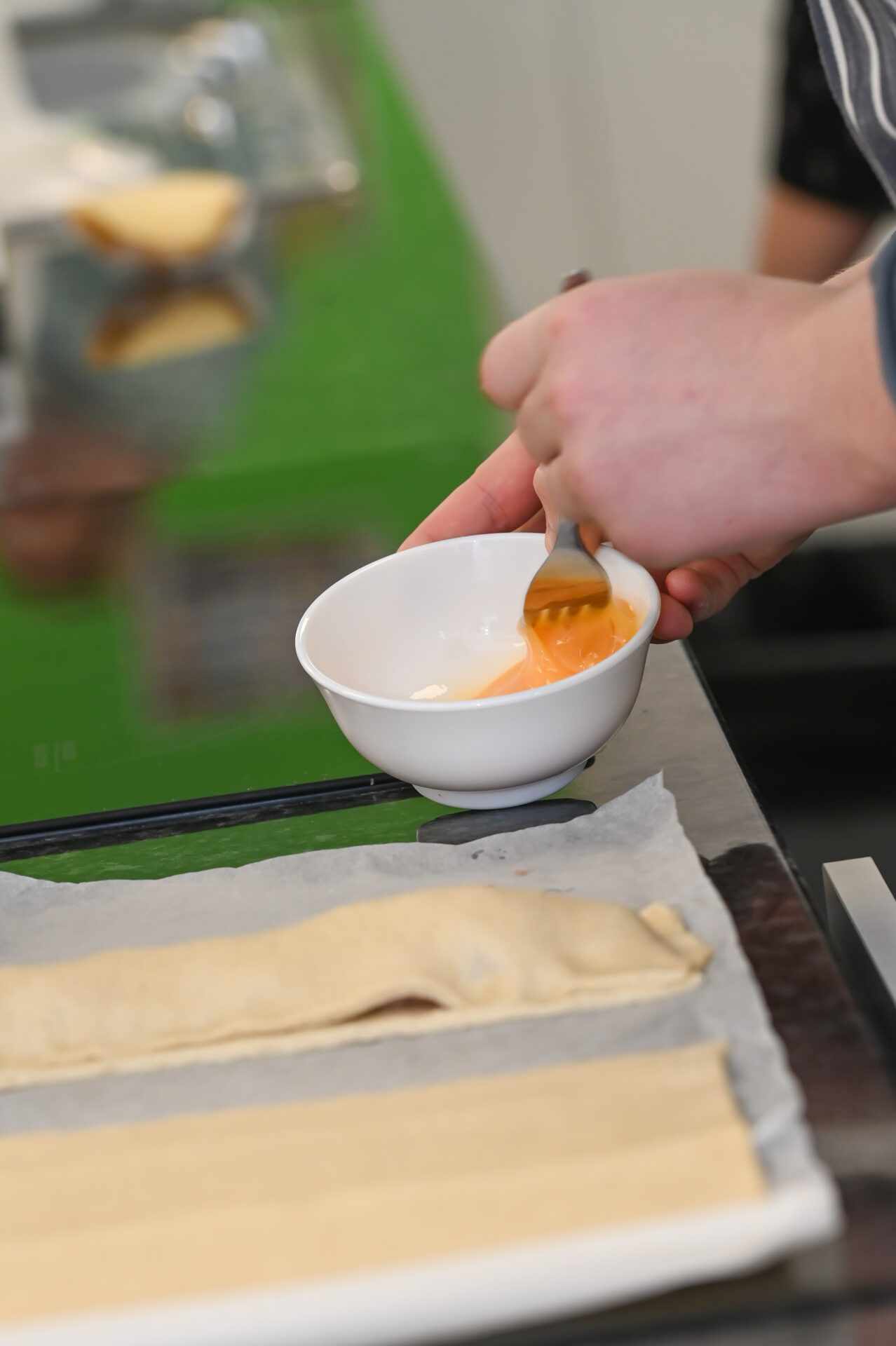
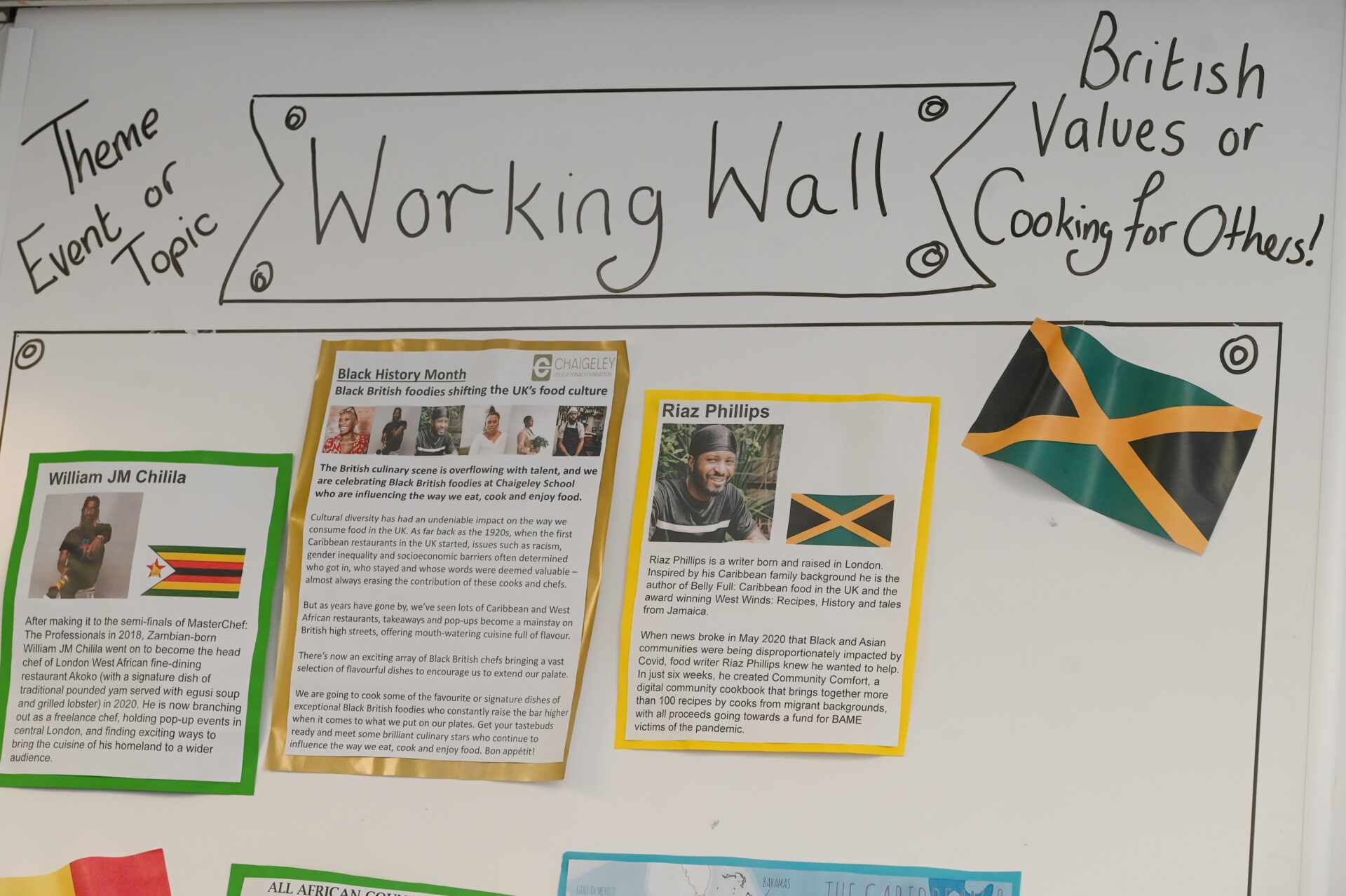
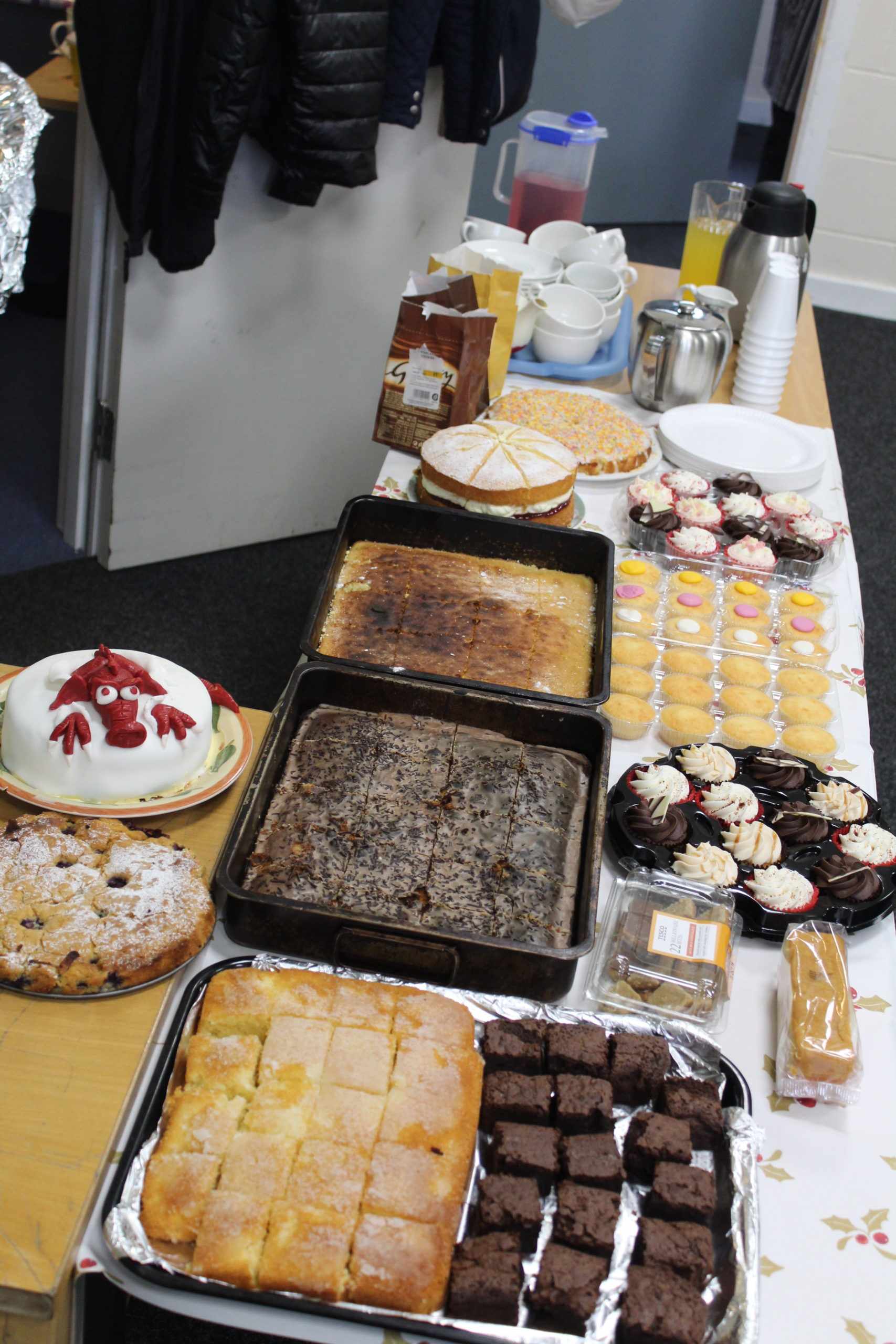
Throughout the year, students have frequent opportunities to cook for themselves and others, often taking their dishes home to share. To broaden their industry insights, they participate in regular trips that scale up as they grow, starting with visits to local restaurants and hotels and expanding to national hospitality venues in their older years. These industry visits complement their hands-on culinary journey, where practical experiences grow in complexity as students move through the school. In their younger years, students begin by preparing a school picnic for a class trip and cooking a meal for school staff. As they progress, they take on greater responsibilities, culminating in hosting an afternoon tea for school governors and ultimately organising a full Pop-Up Restaurant. All of these significant milestones and industry experiences provide invaluable ‘real-life’ evidence that students can proudly highlight on their CVs for college, apprenticeship, or job applications.
Gallery

 Sports Leadership