
Mathematics
Intent
At our school, mathematics plays a vital role in developing pupils’ confidence, resilience and independence. We aim to foster curiosity, enjoyment and a genuine appreciation of the subject, ensuring that all pupils experience success and make meaningful progress.
A key priority is the development of secure number skills, particularly in Key Stage 2. These core foundations are essential for enabling pupils to build fluency, reasoning and problem-solving skills as they progress through the school to Year 11.
Our curriculum is designed to be coherent and carefully sequenced, allowing pupils to make connections and deepen their mathematical understanding over time. Ultimately, we aim to equip pupils with the knowledge, confidence and skills they need for everyday life, further education and future employment.

Implementation
We follow the White Rose Maths scheme to deliver a structured and progressive curriculum that supports long-term learning and understanding.
Teaching is adapted to meet the diverse needs of our pupils through a range of approaches, including:
Concrete, pictorial and abstract representations
Practical manipulatives such as Numicon and Cuisenaire rods
Whole-class teaching, small group work and targeted interventions
Visual models and structured mathematical talk
Real-life and functional mathematics activities
The use of concrete resources is a key feature of our teaching. It supports pupils in developing secure conceptual understanding before moving to more abstract methods, helping to reduce maths anxiety and build confidence and independence.
From Year 9 onwards, pupils begin working towards an Entry Level Mathematics qualification, with appropriate support and ambition to progress to GCSE Mathematics by the end of Year 11.
Impact
As a result of our approach, pupils develop increasing confidence, resilience and independence in mathematics. They are able to apply their knowledge through reasoning and problem-solving, and demonstrate a growing ability to think mathematically.
Pupils make sustained progress from their starting points, supported by a curriculum that builds understanding over time. They become more engaged in lessons and develop a positive attitude towards mathematics.
By the end of Year 11, all pupils leave with a recognised mathematics qualification that reflects their achievements and supports their next steps. Most importantly, they are equipped with the mathematical skills and confidence needed for everyday life, further education and employment, alongside a sense of pride in what they have accomplished.
 Sports Leadership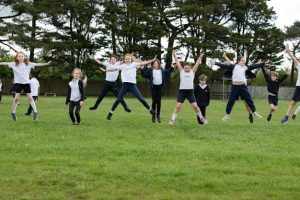

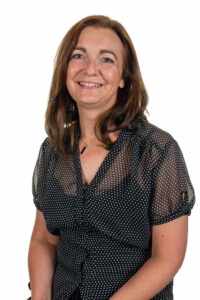 Rachel Guyer
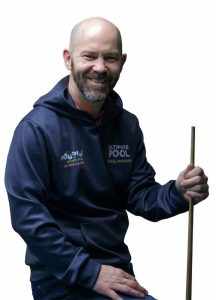 Carl Morris
 Gemma McCaig
 Leonie Sourbutts

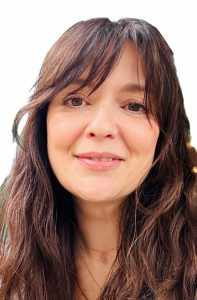
 Tim Askham


 Hilary Brooks
 Beloved Ogundipe
 Chris Haines
 Noel Conreen
 Paul Lambert